Plant based foods????

DMD123

Administrator
Staff member
Contributing Member Level III
So I decided to ask the question here on the African section since so many of the fish seem to have a need for a higher plant based diet.

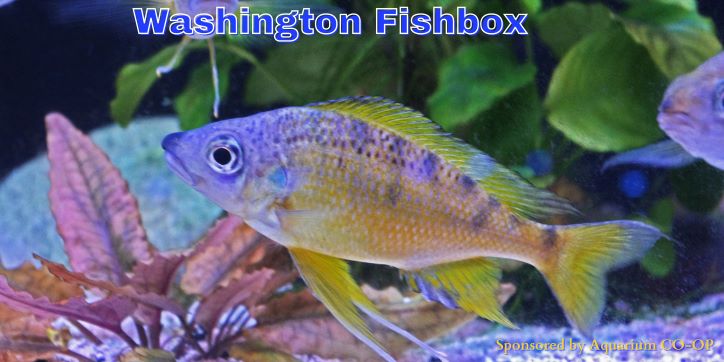
I am going to raise out a Central American group of H. Pearsei and am looking for some good plant based food? What do you guys recommend?

In my current mix of foods I have NLS and Omega One Super Kelp Pellets. The Omega One stuff is good because the first two ingredient are plant based but it only is available in a 2mm floating so when the fish get larger they will need something bigger. NLS claims that all you need is NLS even for herbivores, is this really true? Would like to hear your thoughts on this.
 

DMD123

Administrator
Staff member
Contributing Member Level III
From my research so far Ive come up with these ingredients. Any preferences?

So here is the ingredient list for Omega One Super Kelp Pellets:
INGREDIENTS: Whole Kelp, Spirulina, Whole Salmon, Halibut, Seafood Mix (Including Krill, Whole Herring, & Shrimp), Wheat Flour, Wheat Gluten, Lecithin, Astaxanthin, L-Ascorbyl-2-Phosphate (Source of Vitamin C), Natural and Artificial Colors, Vitamin A Acetate, Vitamin D3 Supplement, Vitamin E Supplement, Vitamin B12 Supplement, Riboflavin, Niacin, Pantothenic Acid, Folic Acid, Biotin, Inositol, Tocopherol (Preservative), Ethoxyquin (Preservative).

Here is Hikari Cichlid Excel:
Ingredients: Fish meal, wheat flour, wheat-germ meal, flaked corn (processed), spirulina, dehydrated alfalfa meal, krill meal, brewer's dried yeast, enzyme, astaxanthin, garlic, DL-methionine, monosodium glutamate, and vitamins and minerals including stabilized Vitamin C.

Here is the NLS:
Whole Antarctic krill meal, whole herring meal, wheat flour, whole squid meal, algae meal, soybean isolate, beta carotene, spirulina, garlic, vegetable and fruit extract (spinach, broccoli, red pepper, zucchini, tomato, pea, red and green cabbage, apple, apricot, mango, kiwi, papaya, peach, pear), vitamin a acetate, DL alphatocophero (E), d-activated animal sterol (D3), vitamin B12 supplement, niacin, folic acid, biotin thiamine, riboflavin supplement, pyridoxine hydrochloride, calcium pantothenate, L-ascorby-2-polyphosphate (stable C), choline chloride, copper proteinate, ethylenediamine dihydroiodide, cobalt sulfate, ferrous sulfate, manganese sulfate.
 

Betty

Well-Known Member
Staff member
I feed NLS to all of my herbivores, including the tropheus. That's pretty much all they eat with the occasional veggie flake or stick leftover from an order I made a long time ago when the tropheus were new and I didn't want to change their diet overnight. I gradually weaned them over to the NLS.

The vegetable sticks were from Ken's. http://www.kensfish.com/moreinfo/kens-premium-vegetable-sticks.html
 

Madness

Well-Known Member
Staff member
I dont use as a staple food, but do feed this several times / wk.

Microbe-Lift Fruits and Greens:
Ecological Laboratories believes variety is the spice of life and, as far as we know, are the first fish food manufacturer to commercially produce a food with such variety! If you don’t have time to cut up fruits and vegetables for your pond fish, feed them Legacy Fruits and Greens. They have done the cutting and blending for you, with apples, apricots, kiwis, mangos, papayas, peaches, pears, broccoli, cabbage, peas, red peppers, tomatoes, zucchini and spinach all in this scientific blend.
 

DMD123

Administrator
Staff member
Contributing Member Level III
I have heard good things using the NLS with Tropheus. Right now I do have a Pearsei in my 210g that eats NLS and so far so good. My main concern was when the fish gets to a larger size. No problem with obtaining NLS foods but many of the other brands do not offer much for a larger type fish.
 

DMD123

Administrator
Staff member
Contributing Member Level III
madness said:
I dont use as a staple food, but do feed this several times / wk.

Microbe-Lift Fruits and Greens:
Ecological Laboratories believes variety is the spice of life and, as far as we know, are the first fish food manufacturer to commercially produce a food with such variety! If you don’t have time to cut up fruits and vegetables for your pond fish, feed them Legacy Fruits and Greens. They have done the cutting and blending for you, with apples, apricots, kiwis, mangos, papayas, peaches, pears, broccoli, cabbage, peas, red peppers, tomatoes, zucchini and spinach all in this scientific blend.
I know this is a koi based food. This already means a lower protein higher vegetable matter diet, doesn't it?
 

Madness

Well-Known Member
Staff member
The protein content stays around the 35%, unless your using the growth food, then it has 40% protein. It makes for a nice addition to the regular food. NLS, Hikari, Omega, Kens, etc.....
 

DMD123

Administrator
Staff member
Contributing Member Level III
So really I dont need to worry too much. I should do ok with my NLS in there. And I could always add the Microbe-Lift Fruits and Greens when the fish are larger.
 

Madness

Well-Known Member
Staff member
I think as long as your feeding them good food with some occasional veggie, or add the veg food with the reg food, you will be just fine.
 

RD.

New Member
So really I dont need to worry too much. I should do ok with my NLS in there.
That would be correct. :)

Some people overthink this, and quite often aren't gaining much if anything with their "wide variety", and in many cases are outright losing without ever realizing it.

As an example, the koi food that Shawn is using is very high in starch content, and very low in actual vegetable content, so if the idea was to increase the overall veg content of the fishes diet - this food is a major fail.

Ingredients Include: Fish meal, wheat, wheat middlings, distillers grains with soluables, dehulled soybean meal, corn gluten meal, fruit and vegetable blend. Apples, apricots, kiwis, mangos, papayas, peaches, pears, broccoli, cabbage, peas, red peppers, tomatoes, zucchini and spinach all in this scientific blend.

The fruit & vegetable blend is an extract, that probably consists of less than 1% of the entire formula, the majority of this formula consists of starch - wheat, ddgs, soybean, and corn.

Unlike cichlids, koi don't have an actual stomach, and they are fairly efficient at assimilating terrestrial based starch, even at higher levels. (30-40%) Cichlids, not so much. When it comes to feeding most fish, including cichlids, there can be a major difference between feeding terrestrial based plant matter such as corn, soybean, etc, and aquatic based plant matter, such as algae meal, kelp, spirulina, and various micro-algae.

My advice, if you really feel the need to supplement your pearsei beyond just feeding NLS, there are far healthier options than the koi food mentioned in this thread.


HTH
 

DMD123

Administrator
Staff member
Contributing Member Level III
Thank you for the info RD.

I actually recently added NLS to my fishes diet. I just wish there were a few mid size floating pellets available, a 3mm slow sinking or floating would be ideal. But probably not a huge issue since the fish are growing so fast they can probably take the 4.5mm floaters soon.
 

RD.

New Member
No problem, glad to help.

BTW I agree, a 3mm floating pellet would be nice. I have some juvie citrinellum that were just recently converted to the 4.5mm floaters, which I tend to prefer over sinking pellets, at least for larger CA species.
 

Madness

Well-Known Member
Staff member
RD. said:
No problem, glad to help.

BTW I agree, a 3mm floating pellet would be nice. I have some juvie citrinellum that were just recently converted to the 4.5mm floaters, which I tend to prefer over sinking pellets, at least for larger CA species.
Yes 3mm would be nice. I agree, floaters for the larger Cichlids are much preferred. Come on RD, get on them and make it happen. :D

I have been using a pill crusher to break down the larger pellets, to feed to those fish that are right in the middle in size. Works real well, just a pain in the rear.
 

fishman09

Member
Omega one is one of my favorites simply from the awesome and simple ingredients list and low ash compared to other foods. I just love when it says specific whole fish ingredients first. The words fish meal always turn me off to any food. What kind of fish???

Koi food for cichlids doesnt make a lot of sense to me as cichlid food is designed for cichlids and koi food for koi. We dont feed our dogs cat food and our cats dog food for a reason.
 

Madness

Well-Known Member
Staff member
fishman09 said:
Koi food for cichlids doesnt make a lot of sense to me as cichlid food is designed for cichlids and koi food for koi. We dont feed our dogs cat food and our cats dog food for a reason.
Well. I am looking at my dog food and my cat food, and really, there is NOT much of a difference in ingredients. Nice try on the comparison, but completely false. As for feeding KOI food to your Cichlids, just do your research. :?:
 

fishman09

Member
found this in like 5 seconds.. :D

Eating cat food probably won’t hurt your dog, though it’s best that he doesn’t eat it all the time. Cats and dogs require different diets. Cats are pure carnivores, meaning they typically eat nothing but meat, while dogs are omnivorous, meaning that they eat some plant materials along with their meat.

Cat diets are made primarily of meat and meat products, so in the long run they can be too rich for dogs and can cause digestive problems. They are also denser in calories than dog diets, so they can lead to obesity in dogs. Because of the additional fat and calories, cat food often tastes better to dogs than dog food does, so you may have to keep an eye on your dog to make sure he doesn’t indulge in the kitty kibbles.

By the way, while cat food is generally okay for dogs, dog diets lack essential nutrients that cats need to stay healthy, so cats can’t live on dog food. Overall, it’s safest to feed your pets the kind of food formulated to be healthiest for their specific species. :D
 

Madness

Well-Known Member
Staff member
fishman09 said:
found this in like 5 seconds.. :D

Eating cat food probably won’t hurt your dog, though it’s best that he doesn’t eat it all the time. Cats and dogs require different diets. Cats are pure carnivores, meaning they typically eat nothing but meat, while dogs are omnivorous, meaning that they eat some plant materials along with their meat.

Cat diets are made primarily of meat and meat products, so in the long run they can be too rich for dogs and can cause digestive problems. They are also denser in calories than dog diets, so they can lead to obesity in dogs. Because of the additional fat and calories, cat food often tastes better to dogs than dog food does, so you may have to keep an eye on your dog to make sure he doesn’t indulge in the kitty kibbles.

By the way, while cat food is generally okay for dogs, dog diets lack essential nutrients that cats need to stay healthy, so cats can’t live on dog food. Overall, it’s safest to feed your pets the kind of food formulated to be healthiest for their specific species. :D
I tell you what, you feed your pets what you want and I will feed mine what I want. In feeding my prize possessions (my fish) I do tons of research and comparisons. I talk to lots of individuals in the hobby that have done very well with their Cichlids. Then I take what I have learned and the info that I have gathered, and I make a decision. Do I feed NLS? Yes. Do I feed Omega1? Yes. Do I feed Hikari? Yes. Do I feed freeze dried? Yes. Do I feed some types of KOI food? Yes. Because I have done the researching myself, and I have made the decision to feed my fish these foods.

Thank you for your concerns, but I really dont care what you think. :D
 
Top